Understanding RF Antenna Assemblies: A Technical Guide for FPV & UAV Signal Integrity
In the world of UAVs (Unmanned Aerial Vehicles) and FPV (First Person View) drones, signal reliability is the cornerstone of every successful mission. While the antenna design dictates the signal pattern, the RF Antenna Assembly—the integration of the antenna, high-frequency coaxial cable, and precision connectors—is what determines how much of that signal actually reaches the pilot.
As a specialized custom wire harness manufacturer, we provide a deep dive into the architecture and technical requirements of these critical RF components.
1. The Anatomy of an RF Antenna Assembly
A professional-grade assembly is composed of three interconnected parts, each requiring strict impedance control:
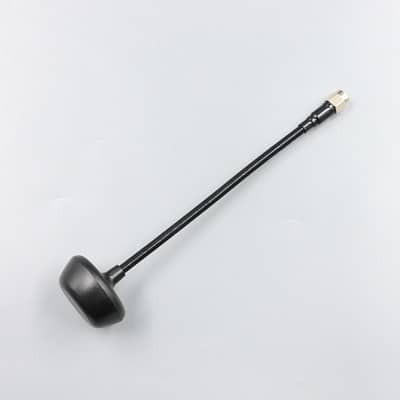
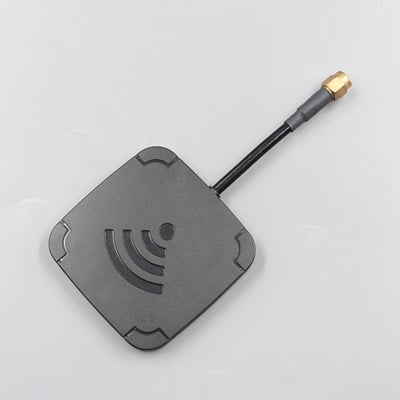
The Antenna Element: As seen in our product lineup, this includes 5.8GHz Patch antennas (for directional high gain) and Mushroom/Omni antennas (for 360-degree coverage).
High-Frequency Coaxial Cable: This is where manufacturing precision matters most. We utilize low-loss cables such as RG178, RG316, or 1.13mm micro-coax. The goal is to minimize “Insertion Loss” during signal transit.
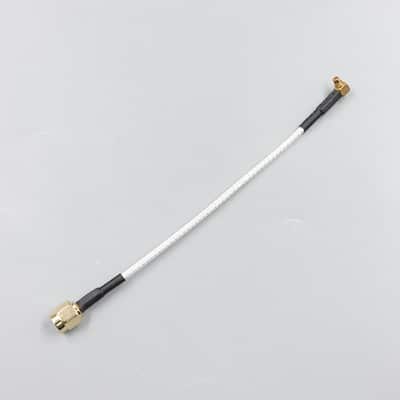
Precision Connectors: Standard interfaces like SMA, RP-SMA, MMCX, or IPEX (U.FL). Gold-plating thickness and crimping precision are vital to maintaining a low VSWR (Voltage Standing Wave Ratio).
2. Common FPV Antenna Types & Their Roles
Choosing the right assembly depends on the specific RF environment:
Omnidirectional Antennas: Known for their 360-degree radiation pattern. These are the standard for drone-side transmitters, ensuring a stable link regardless of the aircraft’s orientation.
Directional Patch Antennas: Featuring gains of 14dBi or higher (like the black square unit pictured), these are the “long-range specialists.” They focus RF energy in a specific direction to pierce through interference and extend range.
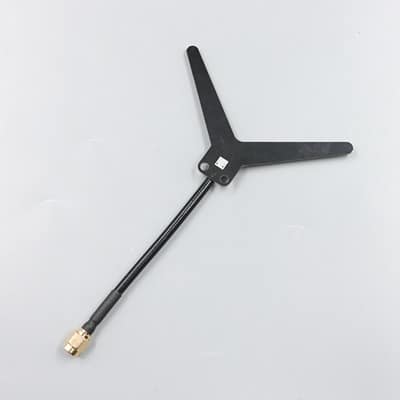
T-Type Dipole Antennas: Optimized for 915MHz/2.4GHz (ELRS/Crossfire) control links. These require high-tensile wire harnesses to withstand high-frequency vibrations during flight.
3. Why Manufacturing Craftsmanship Dictates RF Performance
In RF engineering, even a millimeter of exposed shielding can cause signal degradation. Our custom manufacturing process focuses on:
Impedance Matching (50 Ohm): Any distortion during stripping or soldering creates impedance mismatches, leading to signal reflection and potential damage to the Video Transmitter (VTX).
EMI Shielding: Our assemblies use high-density tinned copper braiding to protect the signal from Electromagnetic Interference (EMI) generated by the drone’s ESCs and motors.
Mechanical Durability: FPV environments are harsh. We utilize custom heat-shrink reinforcement and strain-relief molding to ensure the cable assembly survives high-G maneuvers and crashes.
4. The Advantage of Custom RF Harness Solutions
Off-the-shelf antennas often come with “dead weight” or incorrect lengths. By partnering with a specialized manufacturer, OEMs can achieve:
Optimized Cable Lengths: Reducing unnecessary latency and weight.
Direct Connector Integration: Eliminating the need for lossy adapters (e.g., direct IPEX to SMA).
Certified Testing: Every assembly is verified using a Vector Network Analyzer (VNA) to ensure peak resonance at the desired frequency.
Conclusion
A superior RF Antenna Assembly is the perfect marriage of wireless physics and rigorous cable manufacturing. For drone manufacturers and industrial UAV developers, investing in high-quality, custom-engineered RF harnesses is the most effective way to ensure a crystal-clear video feed and a fail-safe control link.